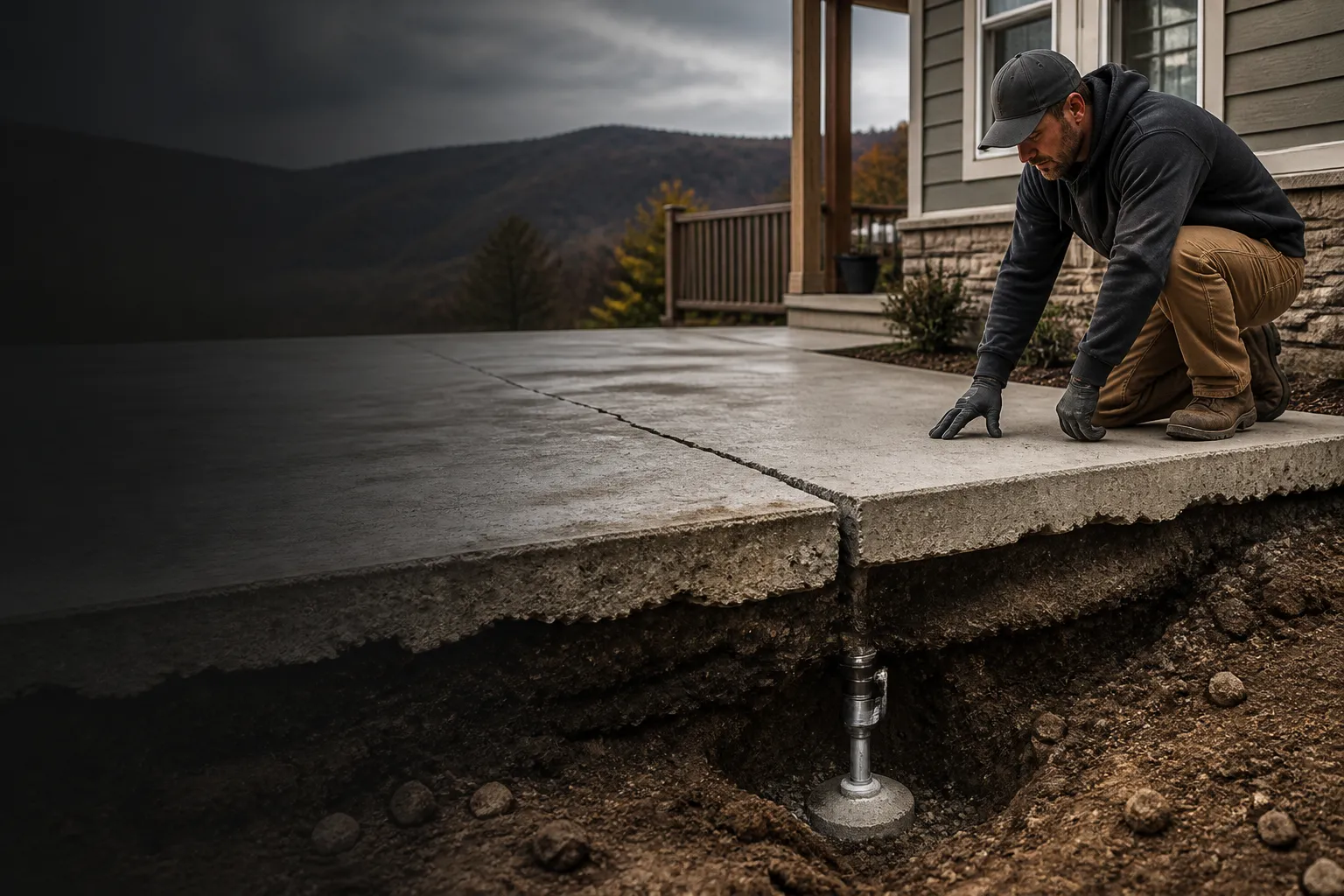
Cracks across a slab, doors that start catching, or floors that feel uneven can be the first signs that your foundation needs attention. Water intrusion, settlement, or shifting support can turn a small change under the surface into a much larger structural concern if it is left alone.
If you are seeing those warning signs at your Asheville property, the next step is a careful look at the slab and the conditions around it. Asheville Solid Foundation Repair can inspect the problem, identify what is driving it, and recommend a slab foundation repair plan that fits the structure and the damage you are dealing with.
Slab foundation problems often reveal themselves through everyday changes that are easy to overlook at first. A crack does not always mean a major structural failure, but it should not be ignored when it grows, shifts, or appears alongside other symptoms.
These symptoms may show up together or one at a time. What matters most is whether the changes are getting worse or affecting how the home feels and performs.
A slab can shift for several reasons, and the repair approach depends on the cause rather than the crack alone. We look at the condition of the slab, the surrounding structure, and any moisture or drainage concerns that may be contributing to the problem.
When soil underneath a slab compresses or shifts, the concrete may drop in certain areas. That movement can create cracks, low spots, or uneven flooring above the affected section.
Water can soften supporting soils or create repeated changes in soil volume. Over time, that can place uneven pressure on the slab and cause movement that becomes visible inside the property.
Load-bearing points, transitions between rooms, and areas near openings can collect stress if the foundation is no longer supporting the structure evenly. That stress often shows up as cracks, gaps, or visible changes in alignment.
At Asheville Solid Foundation Repair, slab foundation repair starts with understanding what the slab is telling us. A crack repair by itself is not always enough, and leveling alone is not the right answer for every property. The goal is to address the cause and the damage together.
We look at visible cracking, floor changes, moisture signs, and related structural symptoms so the full picture is clear.
Next, we identify whether the issue is tied to settlement, moisture, structural stress, or a mix of conditions.
Based on the slab’s condition, we recommend a practical solution that may include foundation crack repair, foundation leveling, concrete repair, or foundation waterproofing support.
We target the sections that need attention rather than treating every symptom the same way.
This approach helps keep the work focused and relevant to the actual condition of the property.
Different slab problems call for different solutions. A home with isolated cracking may need a narrower repair than a slab that has settled across a wider area. We match the solution to the structure, not a one-size-fits-all checklist.
When the slab has visible cracks but the structure is otherwise stable, crack repair can help address the damaged section and reduce further deterioration. It is especially useful when the crack is active or allowing moisture intrusion.
If sections of the slab have dropped or shifted, foundation leveling may help restore alignment and reduce the strain that movement creates on floors, walls, and openings above.
Surface deterioration, chipped sections, or damaged edges may need concrete repair alongside structural work. This can help improve the condition of the slab after movement has been addressed.
In some properties, slab work connects with crawl space repair, basement waterproofing, or foundation waterproofing when moisture is part of the cause. Addressing both the structure and the water source can make the repair more meaningful over time.
Water does not always leave obvious damage at first. Sometimes it enters slowly, collects near a slab, or affects the soil beneath the foundation before visible signs appear indoors. That is why moisture-related concerns deserve attention during slab foundation repair.
If you have seen dampness near the slab, water staining, or recurring moisture around connected areas, we may also discuss crawl space waterproofing, crawl space encapsulation, crawl space vapor barrier installation, or basement waterproofing where they fit the property. The goal is to reduce the conditions that may keep stressing the slab.
Common moisture-related signs include:
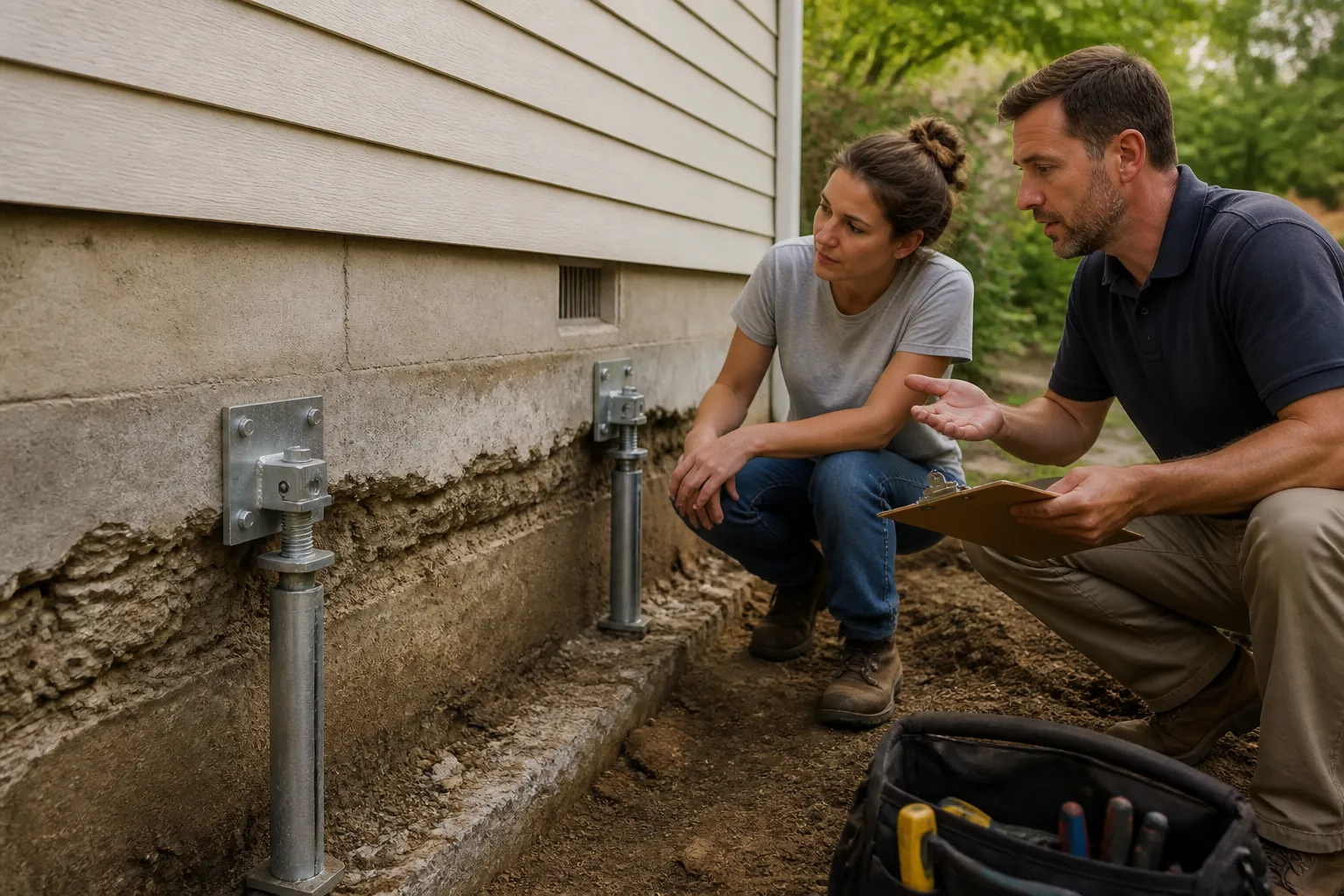
Homeowners often want to know what happens once they reach out. The process should be clear and focused from the start, especially when a foundation issue is affecting daily use of the property.
You explain what changed, where you noticed it, and how long it has been happening.
Visible damage, floor changes, and related structural signs are checked together.
You get a straightforward explanation of what is happening and why it matters.
The repair plan is based on the slab condition and the needs of the structure.
Asheville Solid Foundation Repair keeps the process practical so you can make an informed decision without guessing about the source of the problem.
Slab foundation issues can affect more than the concrete itself. When the slab shifts, nearby framing, finishes, doors, and floors may all respond to the movement. That is why timing matters. Early repair can limit how far the damage spreads and help protect the rest of the property.
For some properties, slab repair is also tied to commercial foundation repair needs, especially when the structure supports ongoing use and cannot afford avoidable movement. Whether the issue is residential or commercial, the key is to respond before the damage becomes harder to control.
Addressing slab concerns early can help:
A crack becomes more concerning when it grows, changes direction, appears with floor movement, or shows up alongside sticking doors and wall separation. A careful inspection is the best way to sort out the cause.
Yes. Settlement can happen from soil movement, load changes, or past conditions that are no longer visible. Moisture is common, but it is not the only reason a slab shifts.
Not always. Uneven floors may also connect to framing or support conditions. That is why the slab and surrounding structure should be reviewed together before a repair plan is made.
Crack repair can address the damaged area, but it does not always stop movement if the underlying cause is still active. If settlement or moisture is involved, the deeper issue should be identified as well.
That is common enough to check carefully. Crawl space repair, crawl space encapsulation, or crawl space waterproofing may be part of the solution if moisture or support conditions beneath the slab are contributing to the problem.
As soon as you notice recurring cracks, movement, or moisture signs. The earlier the problem is reviewed, the easier it is to understand what is happening and decide on the right repair path.
If your Asheville property is showing signs of slab movement, do not wait for the damage to become more obvious. A focused inspection can uncover whether the issue is tied to settlement, moisture, cracking, or another structural concern.
Asheville Solid Foundation Repair helps homeowners and property owners understand slab foundation problems and move toward a practical fix. If you are seeing cracks, uneven floors, or changes around the slab, now is the right time to get the condition reviewed and addressed.
Asheville Solid Foundation Repair
81 Broadway St Ste 201, Asheville, NC 28801
+18283930465
Get Started
Tell us what you are seeing, whether it is a crack, sagging floor, crawl space moisture, or basement water. We will help you understand what may be causing the issue and the next step that makes sense for your property.