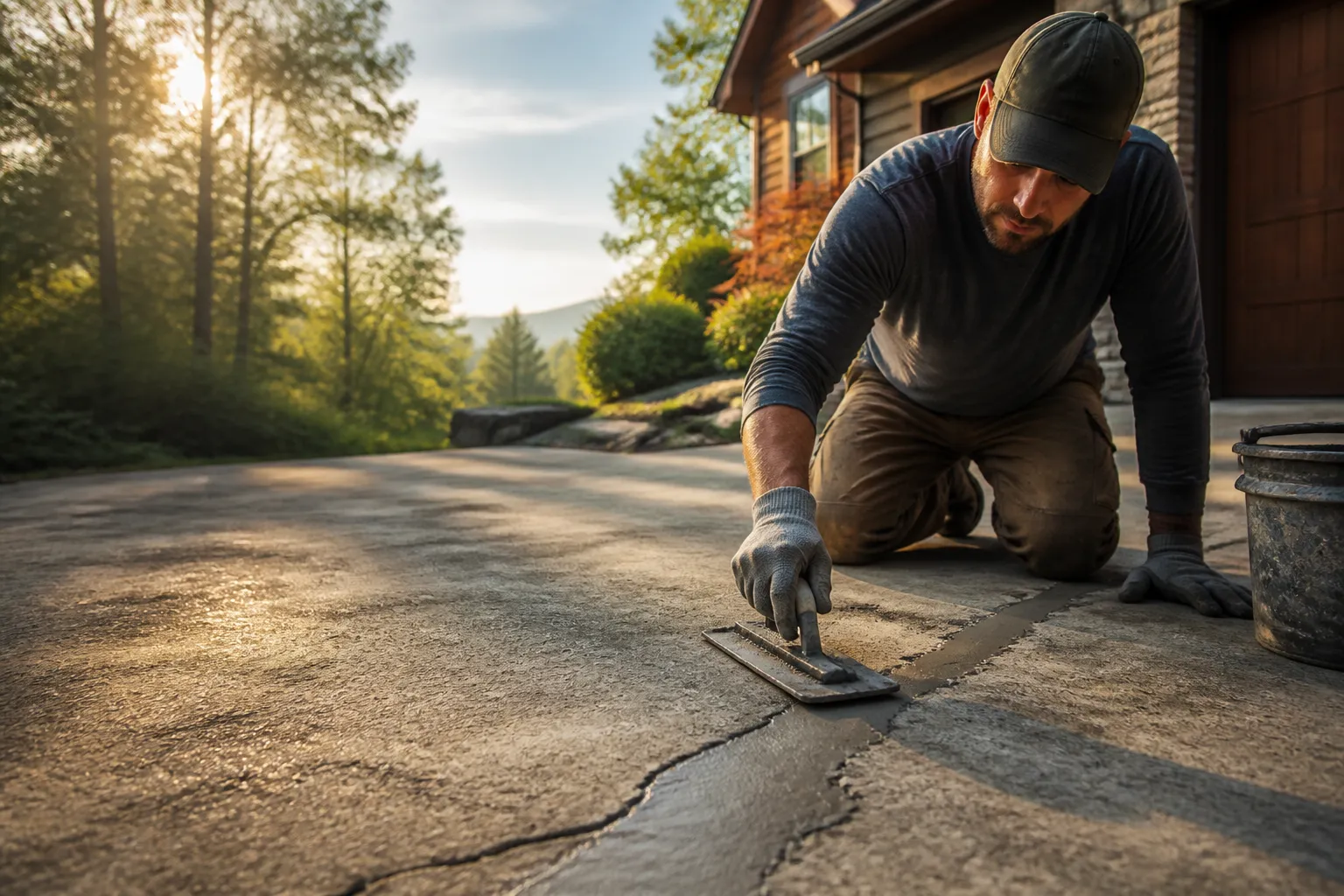
Cracks in a slab, a section of driveway that has started to sink, or a walkway that no longer feels level can turn simple concrete into a daily hassle. Doors may start sticking, edges can trip people up, and those changes often point to a deeper issue that should not be ignored.
Asheville Solid Foundation Repair helps property owners sort out what the concrete is telling them. We look at the visible damage, check for signs of settlement or movement, and recommend a repair path that matches the condition of the concrete and the structure around it.
Concrete damage often starts small, then becomes easier to notice over time. A crack may seem cosmetic at first, but when the slab begins to shift or separate, the surface can stop serving its purpose and start creating new problems.
When these signs appear, the right next step is to find out whether the issue is surface-level damage or movement beneath the concrete. That distinction matters because filling a crack is not the same as addressing sinking or slab instability.
Concrete is durable, but it still responds to changes below it. If the soil shifts, support weakens, or moisture affects the base under the slab, the concrete can crack, sink, or separate. A repair should start with the cause, not only the visible defect.
When the ground under a slab settles, the concrete loses support. One side may drop first, creating a tilted surface or a crack that follows the point of movement.
Water can soften supporting soil or wash material away from beneath the slab. Over time, that leaves empty space under the concrete, which increases the chance of movement and breakage.
Daily use, vehicle traffic, and age can all contribute to cracking. If the slab already has weak support, normal use can make the damage more noticeable.
Asheville Solid Foundation Repair evaluates the concrete and the surrounding conditions so the repair plan is based on what is happening beneath the surface.
Not every slab needs the same fix. Some concrete can be restored with crack repair, while other sections need leveling or structural attention. The goal is to match the method to the condition of the concrete.
Suitable for cracks that need to be sealed and stabilized before they widen or allow further damage. This helps reduce water entry and gives the slab a cleaner, more finished appearance.
Used when a slab has settled or shifted and needs support restored. Leveling addresses uneven surfaces that create tripping hazards or stress on connected areas.
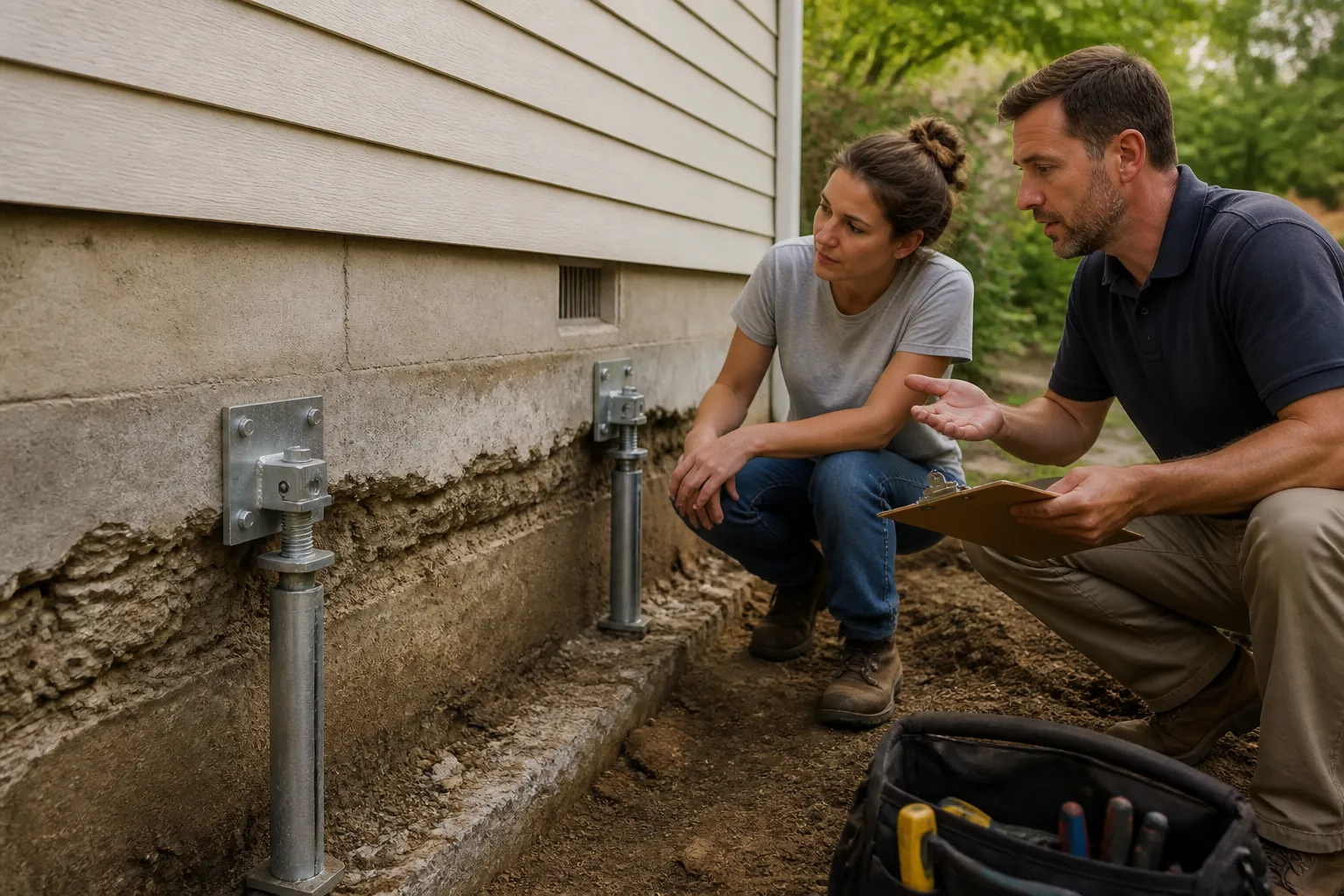
When movement affects the slab beneath a building or connects to broader foundation concerns, the repair approach may need to address the structural cause rather than only the visible surface.
Where moisture is part of the problem, repair may be paired with basement waterproofing, foundation waterproofing, or crawl space waterproofing to help reduce future water-related damage.
Some concrete damage is straightforward. Other cases call for a closer look at the foundation or the soil support around the slab. We focus on the condition that is actually causing the change.
A useful repair starts with a clear assessment. Asheville Solid Foundation Repair looks at the visible damage, checks for movement patterns, and considers whether the concrete issue is isolated or tied to a larger foundation concern.
Hairline cracks, edge damage, and surface wear may point to a concrete-specific issue. These can often be addressed differently than structural movement.
If one side of the slab is lower, joints are opening, or nearby features show signs of shifting, the problem may involve settlement beneath the concrete.
Staining, damp areas, or signs of water entry can indicate that water is affecting the supporting soil or the concrete itself. In those cases, waterproofing may be part of the long-term solution.
This kind of assessment helps avoid a short-term patch that leaves the original problem untouched.
Concrete problems show up in more than one part of a property. Our service covers a range of concrete and structural needs so the repair can match the location and the condition of the slab.
If the concrete issue is tied to a crawl space, basement, or foundation concern, we can connect the repair approach to those conditions as well.
Concrete damage often overlaps with water problems. If moisture is getting under a slab or into a nearby foundation space, the repair can be harder to maintain unless the source is addressed too.
Water around basement concrete can lead to staining, cracking, and deterioration. Basement waterproofing may help limit repeat damage where water intrusion is part of the problem.
Moisture under the home can affect nearby concrete and the support beneath it. Crawl space repair, crawl space encapsulation, vapor barrier installation, and crawl space waterproofing can all play a role when the issue begins below the slab.
When concrete repair is paired with moisture control, the result is usually a more durable fix because the condition causing the damage is not left unchecked.
Homeowners often want a repair process that is direct and easy to understand. That is how we approach it at Asheville Solid Foundation Repair.
We look at the concrete, note visible cracks, settlement, and any nearby signs that point to a broader issue.
We determine whether the problem is surface wear, soil movement, water intrusion, or a foundation-related condition.
We outline a practical repair plan using concrete crack repair, concrete leveling, slab foundation repair, or related waterproofing services when needed.
The repair is completed with the goal of helping the slab regain strength, stability, and usefulness.
That process gives you a clear path forward without guessing at the source of the problem.
Asheville properties see a wide range of concrete concerns, from small cracks to slab movement that affects daily use. Asheville Solid Foundation Repair helps property owners across Asheville and nearby areas including Weaverville, Black Mountain, Candler, Fletcher, Arden, Fairview, Swannanoa, Woodfin, Leicester, Hendersonville, Mills River, and Brevard.
If you are noticing cracked concrete, uneven surfaces, or signs that a slab has shifted, a timely assessment can help prevent the damage from spreading. The sooner the cause is identified, the more straightforward the repair path tends to be.
A cracked slab can mean surface shrinkage, soil settlement, moisture-related movement, or stress from use. The pattern of the crack and the condition of the surrounding area help show whether it is isolated or tied to a larger issue.
Cracks that widen, separate, or collect water should be checked. Cracks near edges, joints, or areas that are no longer level can also point to movement that should be reviewed.
Yes, many sunken or tilted sections can be addressed with concrete leveling. The right approach depends on how much the slab has moved and whether the supporting soil is still stable.
Surface breakdown can come from age, repeated wear, moisture exposure, or a weak base under the slab. When the support below changes, the top surface often shows the first visible damage.
It can, especially when cracks are letting moisture enter or when concrete damage is linked to basement or crawl space water intrusion. In those cases, waterproofing services may be part of the repair plan.
If the damage stays limited to a single slab, the issue may be concrete-specific. If nearby floors, walls, or openings also show movement, the concern may involve the foundation or the support beneath the slab.
For help with concrete repair at your Asheville property, Asheville Solid Foundation Repair is ready to assess the damage and recommend a practical next step.
Get Started
Tell us what you are seeing, whether it is a crack, sagging floor, crawl space moisture, or basement water. We will help you understand what may be causing the issue and the next step that makes sense for your property.