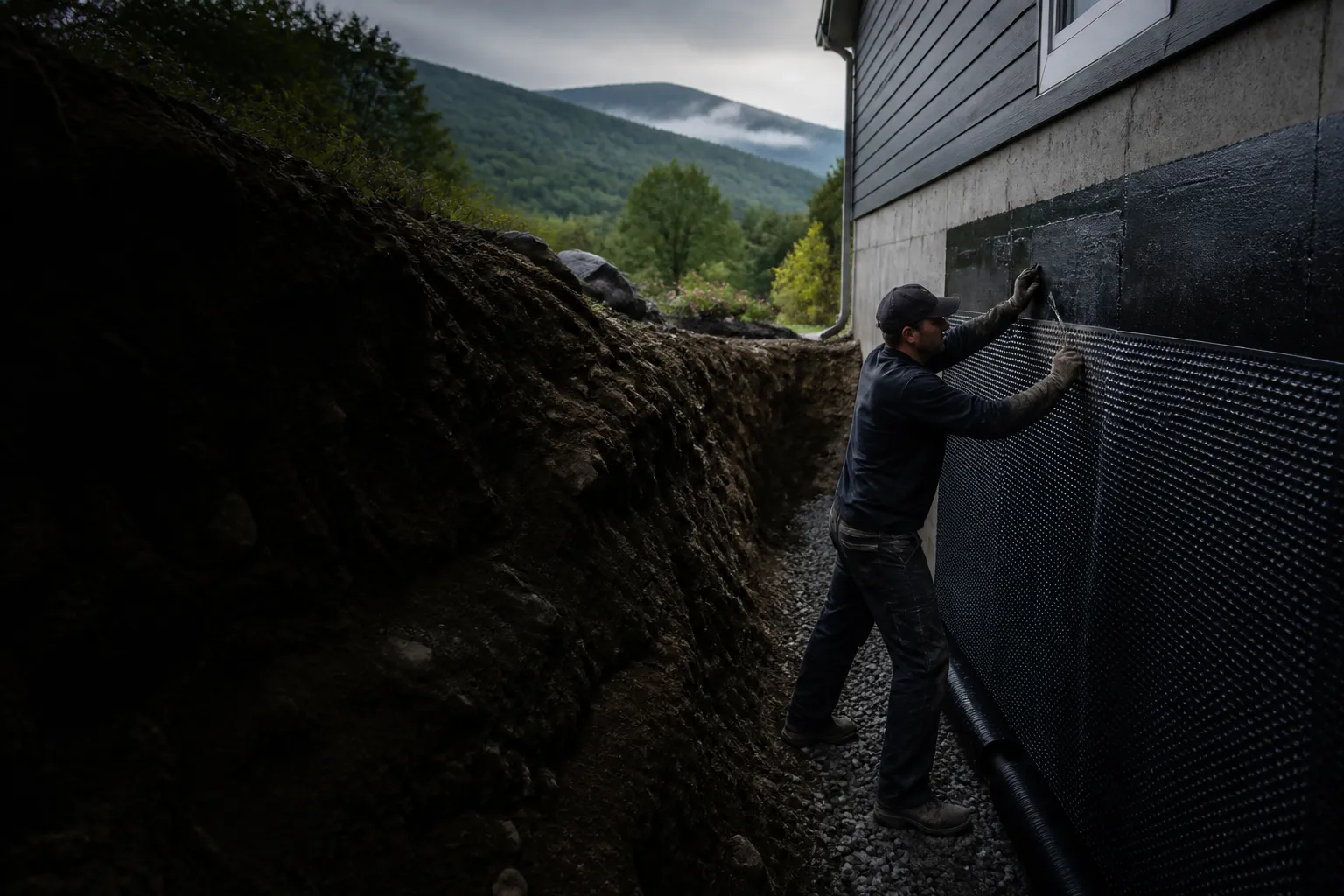
Water around a foundation rarely starts with a dramatic warning. It may show up as damp basement walls, a musty crawl space, peeling paint, or small cracks that seem harmless at first. Over time, those signs can point to water finding its way where it should not be.
If you have noticed moisture near the foundation, standing water after rain, or signs that lower-level spaces are getting damp again and again, it is worth taking a closer look. Asheville Solid Foundation Repair helps property owners identify the source of water intrusion and choose a practical foundation waterproofing solution for the structure.
Foundation water problems often start with subtle changes. A homeowner may first notice a smell, a stain, or a little dampness along the edge of a wall. Those details matter because they can point to drainage or seepage concerns before larger damage develops.
Common signs that foundation waterproofing may be needed include:
When these signs show up, the goal is not to cover them up. It is to understand where water is entering, why it is collecting there, and what type of waterproofing approach matches the foundation condition.
Water can enter a foundation through cracks, porous concrete, open joints, and unprotected surfaces. In some cases, the issue is tied to a crawl space or basement that is taking on moisture because water is not being managed at the perimeter. In others, the foundation itself may need repair before waterproofing can be effective.
Hairline cracks may seem minor, but they can widen over time and allow moisture to pass through. Construction joints and older repair lines can also become weak points when water pressure builds outside the wall.
Concrete is durable, but it is not always waterproof on its own. If the surrounding area stays wet, moisture can work through the wall or floor surface and create ongoing dampness inside the space.
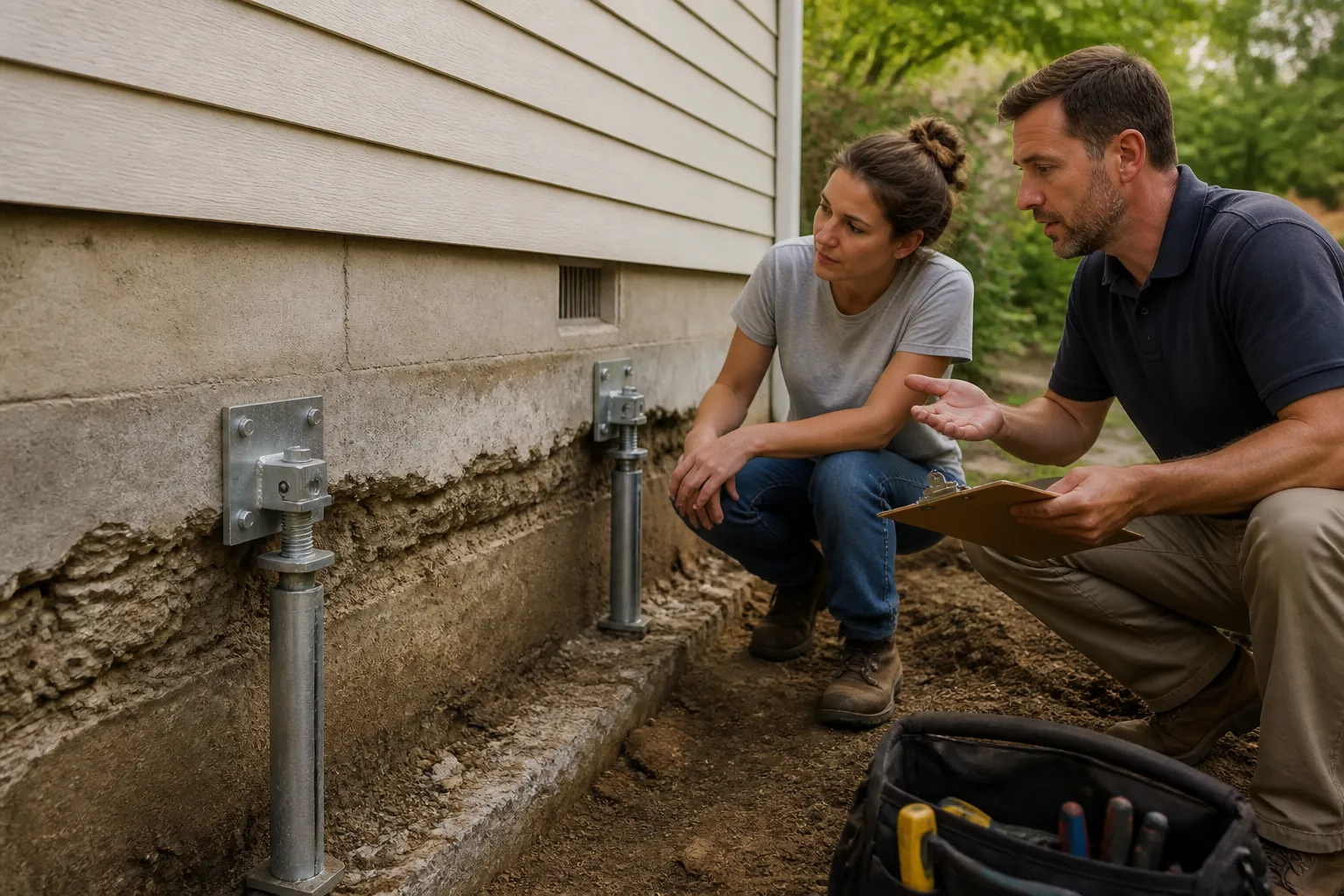
Settlement, uneven support, or a shifting slab can open new paths for water entry. In those cases, foundation waterproofing may need to be paired with foundation crack repair, slab foundation repair, or foundation leveling.
Before recommending a solution, we look at the full picture. Asheville Solid Foundation Repair checks the visible symptoms, the type of foundation, and the areas where water is most active. That helps separate a surface moisture problem from a deeper structural concern.
This approach keeps the work focused on the actual cause instead of treating only the symptom you can see.
Foundation waterproofing is not one single method. The right solution depends on where water is entering and how the structure is built. Some properties need help with basement walls, while others need crawl space moisture control or a moisture barrier system.
Basement waterproofing is often used when water is entering through walls, floor edges, or floor-to-wall joints. The goal is to reduce intrusion and protect the lower level from repeated dampness.
Crawl space waterproofing can help manage moisture that collects under the home. When paired with crawl space repair, crawl space encapsulation, or a crawl space vapor barrier, this can reduce damp air and water exposure below the structure.
When water is finding its way through cracks or damaged areas, foundation crack repair or concrete repair may be part of the plan. If a slab has settled or shifted, slab foundation repair or concrete leveling may also be needed before the waterproofing work can do its job.
Available solutions can include:
Keeping water away from the foundation is only part of the job. Moisture that lingers can still cause odors, damage materials, and create conditions that keep the space from drying out. That is why the details matter.
When a basement or crawl space needs stronger moisture control, we may recommend vapor barrier installation or waterproofing methods that help isolate exposed surfaces from damp air and ground moisture. In crawl spaces, encapsulation can create a cleaner separation between the ground and the structure above. In basements, waterproofing focuses on reducing seepage and helping the space stay drier over time.
The right approach depends on whether the concern is active water entry, lingering humidity, or both. Many properties need a layered solution instead of a single fix.
Waterproofing is most effective when the foundation condition is addressed at the same time. If a crack is growing, a slab is uneven, or a wall has shifted, moisture can keep finding the same opening. That is why structural repair may be part of the plan for a property that has repeated water problems.
For example, a basement wall crack may need crack repair before waterproofing can help manage seepage. A crawl space with sagging or settling components may need repair before encapsulation is added. A slab that has moved out of level may need leveling or concrete repair to support a lasting solution.
We focus on the sequence that makes sense: stabilize the problem area, reduce water entry, then address the moisture path around the foundation.
Homeowners often want to know what the process looks like before they move forward. The work starts with understanding the site conditions and the symptoms you have noticed. From there, the plan is built around the foundation type and the way water is affecting the structure.
During a foundation waterproofing project, you can expect attention to the following:
Asheville Solid Foundation Repair keeps the process straightforward so you know what is being addressed and why. The goal is to protect the property with solutions that match the actual condition of the foundation.
Foundation waterproofing concerns can affect homes and other properties throughout Asheville and nearby communities. We work with property owners across the area, including Weaverville, Black Mountain, Candler, Fletcher, Arden, Fairview, Swannanoa, Woodfin, Leicester, Hendersonville, Mills River, and Brevard.
If you are seeing basement moisture, crawl space dampness, or signs that water is reaching the foundation, getting the problem evaluated early can help limit further damage. Asheville Solid Foundation Repair is located at 81 Broadway St Ste 201, Asheville, NC 28801, and we are available Monday through Saturday from 8:00 AM to 7:00 PM.
Signs like wall stains, damp floor edges, musty odors, or recurring wet spots near the foundation often point to moisture intrusion rather than a one-time spill or surface issue.
Yes. Crawl space waterproofing, crawl space encapsulation, and crawl space vapor barrier installation are common ways to reduce moisture entering from the ground and surrounding areas.
Not always, but cracks can create easy paths for water. They should be evaluated so you know whether foundation crack repair, waterproofing, or both are needed.
That can still signal a foundation water issue. Intermittent seepage may mean water is entering through a specific weak point or collecting near the structure during wetter periods.
Yes. Many properties need both. If settlement, slab movement, or wall damage is part of the issue, repair can come first or be used alongside waterproofing.
No. Unfinished basements, crawl spaces, and other lower-level areas can all benefit from moisture control when water intrusion is affecting the foundation.
Asheville Solid Foundation Repair helps property owners address water intrusion with practical foundation waterproofing solutions built around the structure, the symptoms, and the cause.
Get Started
Tell us what you are seeing, whether it is a crack, sagging floor, crawl space moisture, or basement water. We will help you understand what may be causing the issue and the next step that makes sense for your property.